
Travel Guide
Japan
Land of neon cities, quiet temples, steaming ramen counters, mountain trains, hot springs, and a trip that gets easier when you plan it in the right order.

Plan Japan like a travel guide, not a checklist.
Use this page like a magazine-style guide: pick the season, choose the route, compare hotel areas, then book the pieces that actually matter before the trip gets expensive.
Best time
to visit Japan
Mar-May / Oct-Nov
›How to buy
train tickets
JR Pass, IC cards, shinkansen
›Arrival
basics
Airport, luggage, cash, data
›Turn the plan into three useful clicks.
Do not send visitors into random tabs. Push them from route logic into the decisions that reduce the most travel friction: hotel base, arrival data, and book-ahead activities.
JST may earn from some hotel links at no extra cost. eSIM/activity programs are still treated as comparison guidance until approved links are active.
Featured Japan guides


Explore Japan

Hi, this is Japan Smart Travel.
We organize Japan planning around the decisions that actually change the trip: route, hotel area, trains, mobile data, arrival flow, and what to book before landing.
Best places to visit in Japan
Start with the classic cities, then add quieter stops only when the route still feels relaxed.



Weather in Japan
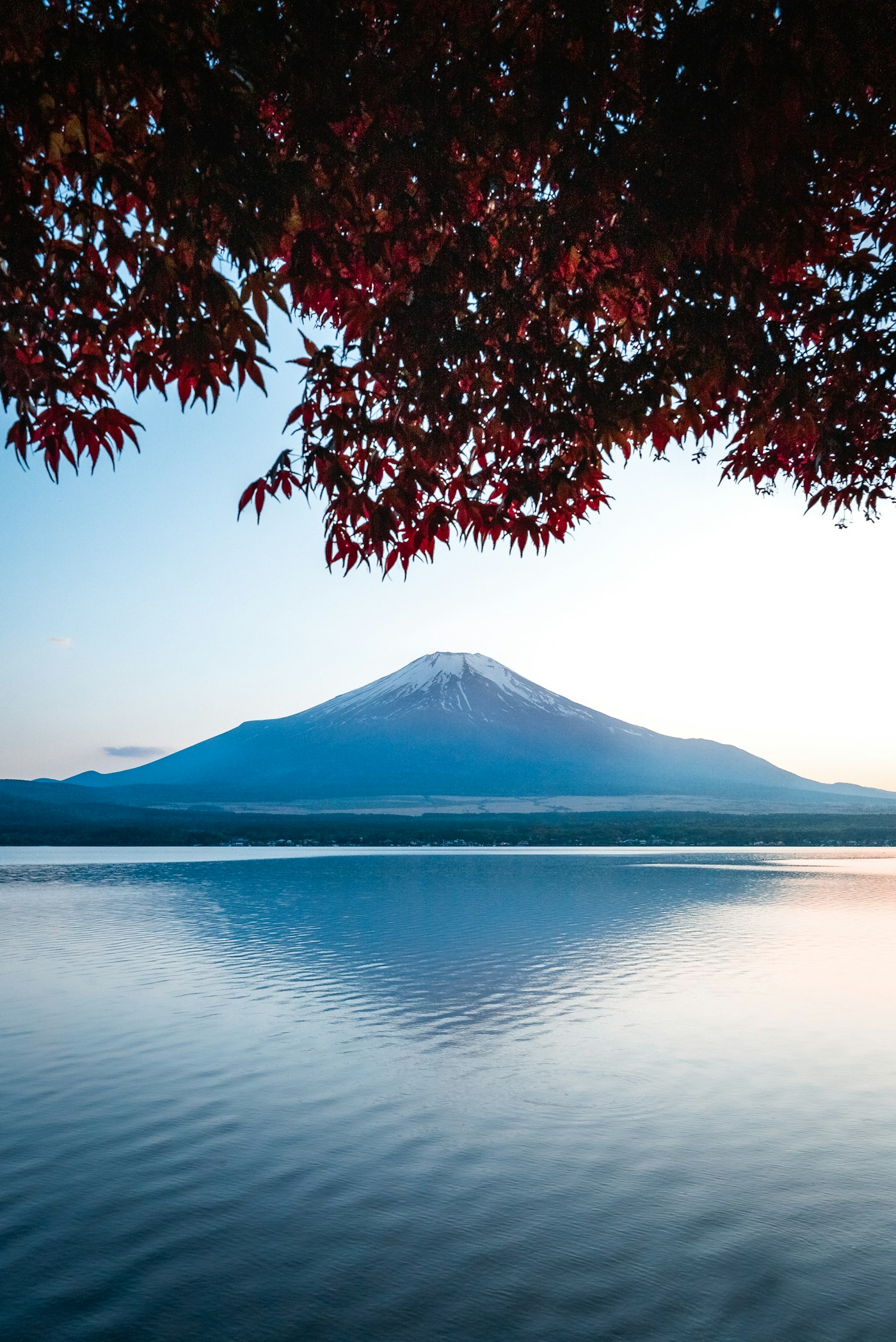
Weather changes the whole trip: pacing, luggage, hotels, and how far you should move between cities.
Spring
Cherry blossoms, higher prices, early hotel booking.
Summer
Hot, humid, festival-heavy, slower pacing.
Autumn
Comfortable, colorful, one of the easiest seasons.
Winter
Snow trips, hot springs, clearer city days.
First-timer Japan route
Most first trips run Tokyo to Kyoto/Osaka. Add Hakone, Fuji, Hiroshima, Kanazawa, or Hokkaido only if the days still breathe.
 Tokyo -> Kyoto -> Osaka is the classic spine. Add Fuji or Hakone only if the trip still has breathing room.
Where to stay in Japan
Pick the area first. The neighborhood changes mornings, evenings, train stress, food options, and how expensive the trip feels.
Choose the hotel area before the room.
Tokyo, Kyoto, and Osaka hotel areas change the trip more than most travelers expect. Start with area fit, then compare live prices.
Japan travel FAQ
How many days do you need in Japan?
Seven days works for Tokyo and Kyoto. Ten days is better for Tokyo, Kyoto, and Osaka. Fourteen days gives room for slower side trips.
Should you buy a JR Pass?
Not automatically. Compare your actual long-distance route first; many first-time trips are cheaper with individual tickets.
What should you book first?
Book hotels and major route decisions first, then eSIM, airport transfer basics, and scarce activities.