
Tokyo Hotel Guide
Where to Stay in Tokyo
Pick the neighborhood before the hotel. Tokyo gets easier when your base matches your airport, train lines, food plans, luggage, nightlife, and how tired you will be after long sightseeing days.
 Tokyo at night
Best option: choose two areas, then compare hotels.
For most first-time visitors, the mistake is comparing room photos too early. Pick one convenient area and one backup area, then compare actual prices.
Hotel links may earn JST a commission at no extra cost. Confirm room size, taxes, walking distance, and cancellation rules before booking.
Start with the kind of Tokyo trip you want.
The canonical JST recommendation now starts with Ueno for most first-time visitors: it is practical, better value, close to useful transit, and easier on the budget. Tokyo Station and Ginza are polished transport-first options, Asakusa is atmospheric, and Shinjuku is useful but not our default first recommendation.
Tokyo hotel areas, compared honestly.
Ueno / Asakusa
Best for most first-timers who want value, useful transit, older Tokyo atmosphere, parks, museums, and easier Narita access. Downsides: longer rides to Shibuya and fewer glossy luxury hotel choices.
Ginza / Tokyo Station
Good for calmer streets, nicer hotels, airport and shinkansen convenience, shopping, and polished dining. Downsides: higher rates and less late-night neighborhood texture.
Shibuya
Good for younger travelers, shopping, cafes, nightlife, and western Tokyo plans. Downsides: crowds, hills in some pockets, and less convenient for eastern Tokyo.
Shinjuku / Shibuya
Good when nightlife, shopping, and western Tokyo access matter more than calm arrival logistics. Downsides: crowds, station complexity, and higher chance of choosing an inconvenient micro-location.
Akasaka / Roppongi
Useful if you want central access without sleeping inside the loudest tourist zones. Downsides: first-timers need to check exact station access carefully.
Match the hotel area to your route.

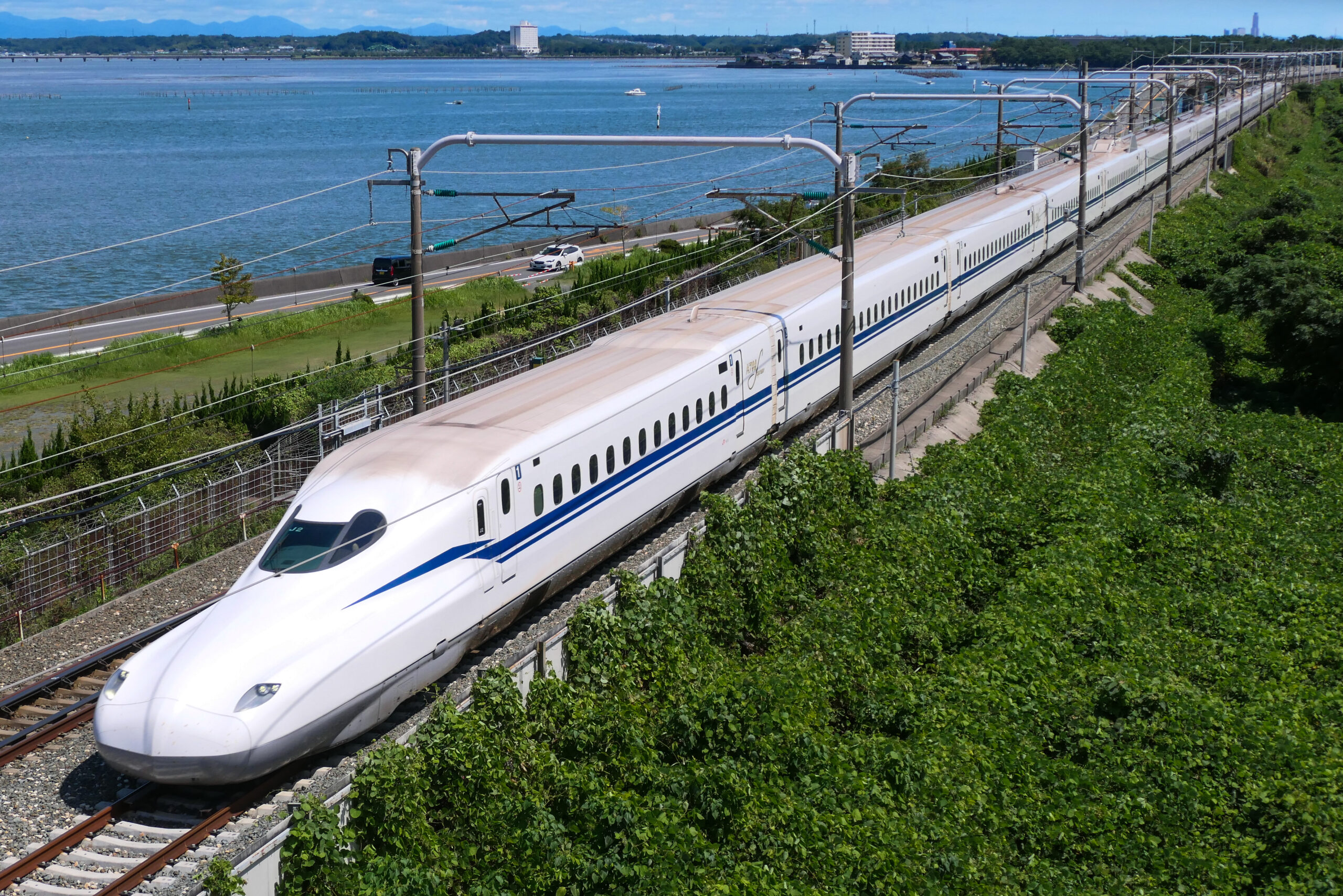



Book after the area decision.
Use live hotel prices only after choosing the area. Then compare cancellation rules, room size, station walk, luggage space, breakfast timing, and whether the location still works for your first and last day.
Ready to compare Tokyo hotel prices?
Check prices after narrowing the area to one or two neighborhoods. JST may earn a commission from booking links at no extra cost to you.
Last checked: July 2026. Always verify live rates, cancellation terms, taxes, luggage policies, and location details with the provider before booking.
Tokyo hotel FAQ
What is the safest default area for a first Tokyo trip?
Ueno is the JST default for most first-time visitors because it balances value, transport, food, and easier arrival logistics. Choose Tokyo Station or Ginza for polish, and Shinjuku or Shibuya only if nightlife and western Tokyo access matter more.
Should I stay near the Yamanote Line?
It helps, but it is not the only rule. A hotel near a useful subway station can be just as practical depending on your daily route.
Is Asakusa too far out?
No, but it suits travelers who value atmosphere and value over nightlife and western Tokyo convenience.