
Start Here
Plan Your Japan Trip
The simple order for first-time visitors: choose your trip length, pick the season, lock the route, choose hotel bases, then sort trains, mobile data, luggage, and the bookings that actually matter.
 Start calm, not scattered
Book in the order that protects the trip.
After the route is roughly set, the first money decisions should remove stress: a sensible hotel base, working mobile data, and any activity that can sell out.
Commercial links should follow the planning decision, not replace it. Always verify live prices, fees, and cancellation terms.
First decide how long you have.
Everything else flows from nights on the ground. Do not open hotel tabs until the trip shape is clear.
7 days
Tokyo, Kyoto, and Osaka. Keep it simple, stay near stations, and avoid heavy day-trip stacking.
10 days
Add breathing room or one day trip such as Hakone, Nara, Hiroshima, or a slower Kyoto day.
14 days
Add Kanazawa, Fukuoka, Hiroshima, or extra recovery nights instead of rushing through too many cities.
Pick the season before the route gets expensive.
Mid-April to May and October to November are usually the easiest windows for a first trip. Golden Week and New Year can make hotels expensive and transport crowded.
Build the route in a travel-friendly order.
Tokyo first
Best for most arrivals. Use the first nights to recover, get mobile data working, and learn trains before moving cities.
Kyoto next
Give Kyoto enough mornings. Temples, old streets, and day trips feel worse when squeezed into a single rushed day.
Osaka last
Great food base and practical Kansai airport exit. Also works well for Nara, Kobe, or Himeji day trips.
Book the parts that reduce stress first.
The point is not to pre-book every minute. Lock the decisions that affect daily logistics, then keep space for discovery.


Use booking links after the route makes sense.
A good Japan plan starts with bases and transport, then uses comparison sites to check real availability, cancellation rules, room size, taxes, and station walking time.
Ready to compare hotels?
Check prices after choosing the city area. For Tokyo, first-time visitors usually do best near Shinjuku, Ginza/Tokyo Station, Ueno/Asakusa, or Shibuya depending on budget and route.
Last checked: July 2026. JST may earn commissions from some links at no extra cost to travelers. Always verify current prices, cancellation rules, and provider terms before paying.
Pre-departure checklist.
Passport, flights, hotels
Save confirmations offline and keep hotel addresses available in Japanese for taxis or station help.
eSIM, IC card, cash
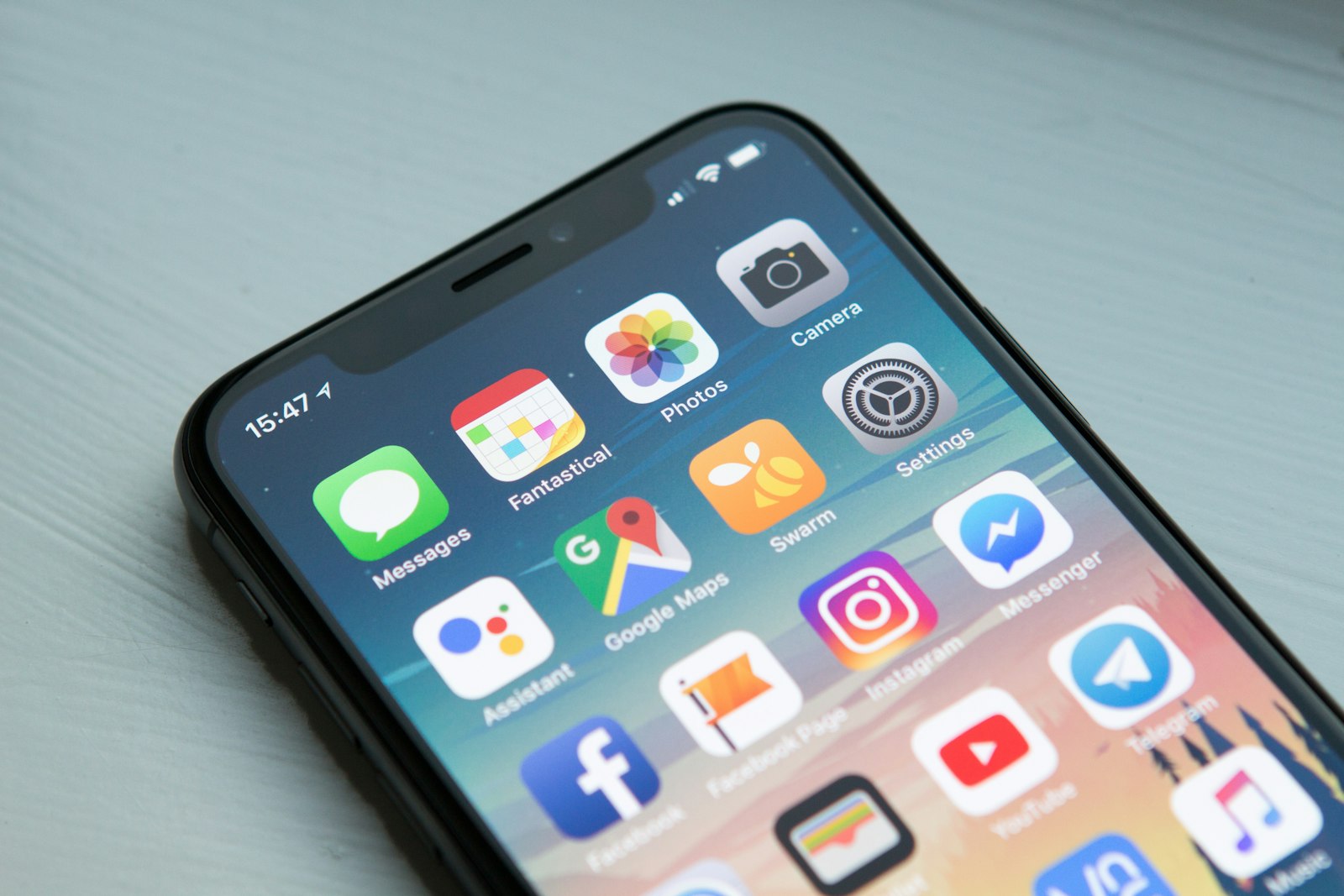
Have mobile data ready, add digital Suica if your phone supports it, and carry enough yen for the first day.
Trains, luggage, insurance
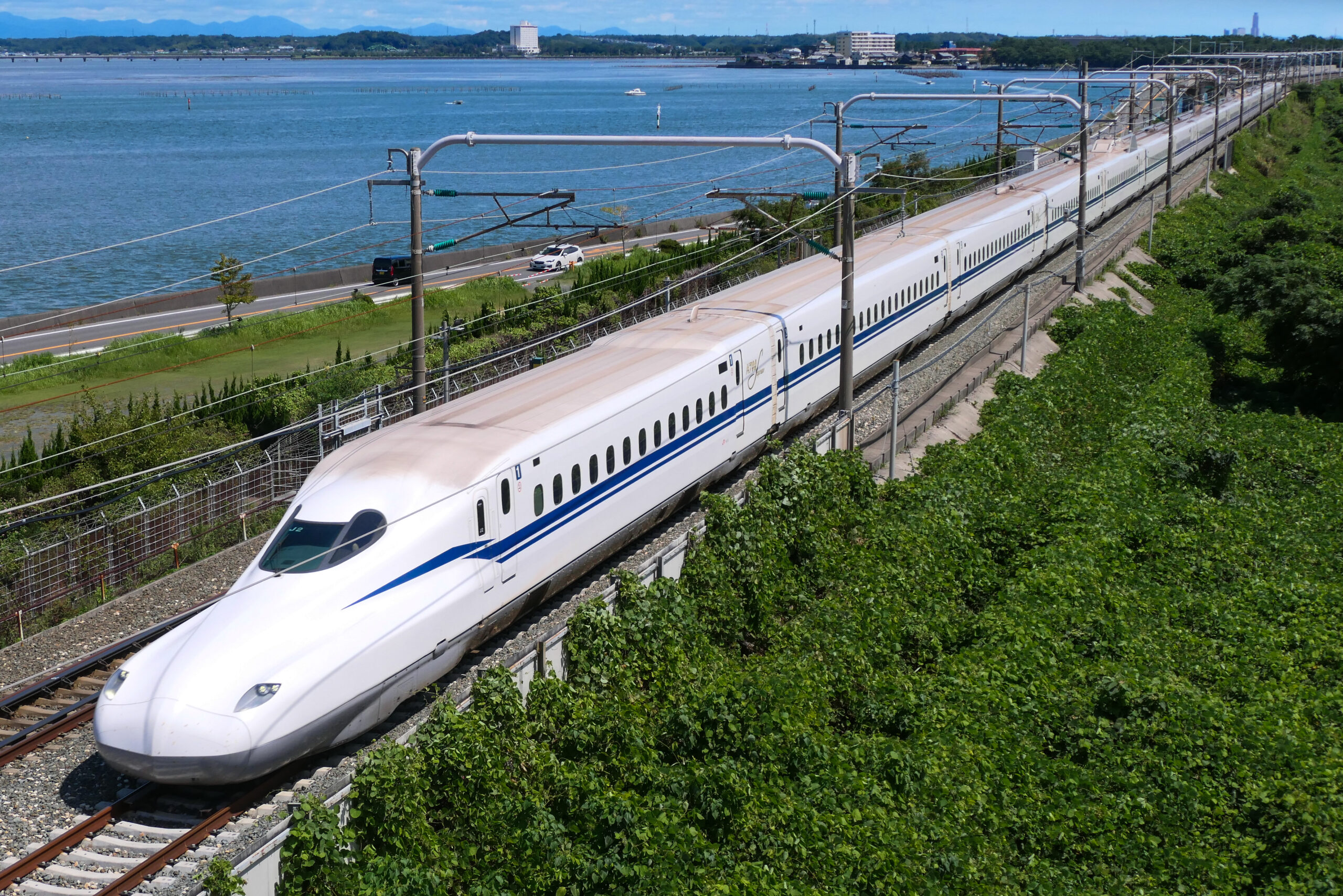
Check whether the JR Pass fits your route, plan luggage forwarding for heavy bags, and buy travel insurance before departure.
Japan planning FAQ
What should I plan first for Japan?
Trip length, season, route, and hotel bases. Those choices control almost every later booking.
Should I book hotels before flights?
Usually flights first if dates are fixed, then hotel areas immediately after. During peak seasons, check hotel availability before locking awkward travel dates.
Is 7 days enough for Japan?
Yes, if you keep the route tight. Tokyo, Kyoto, and Osaka can work, but avoid turning every day into a transfer day.